

Are Container Houses Environmentally Friendly?
As a supplier of container houses, I've often been asked about the environmental friendliness of these innovative structures. In this blog, I'll delve into the various aspects of container houses and explore whether they truly live up to the reputation of being an eco - friendly housing option.
Recycling and Reuse
One of the most significant environmental benefits of container houses is the recycling and reuse of shipping containers. Every year, millions of shipping containers are discarded around the world. These containers are made of high - strength steel, which is a durable but resource - intensive material to produce. By repurposing these containers into houses, we give them a second life and reduce the demand for new steel production.
The process of manufacturing new steel involves extracting iron ore from mines, which has a substantial environmental impact. It leads to deforestation, soil erosion, and water pollution. Moreover, the energy required to smelt iron ore into steel is immense. In contrast, converting a shipping container into a house requires far less energy. We are essentially taking a pre - fabricated, ready - made structure and adapting it for a new purpose. This reuse not only saves natural resources but also reduces greenhouse gas emissions associated with steel production. For example, according to a study by the American Iron and Steel Institute, recycling steel can save up to 75% of the energy needed to produce new steel.
Energy Efficiency
Container houses can be designed to be highly energy - efficient. The steel structure of the container provides a good thermal mass, which means it can absorb and store heat during the day and release it at night. This natural heat regulation can reduce the need for artificial heating and cooling systems, thus lowering energy consumption.
In addition, modern insulation materials can be added to the container walls, floors, and ceilings to further improve energy efficiency. For instance, spray - foam insulation can create an airtight seal, preventing heat loss in the winter and heat gain in the summer. Some of our container houses, such as the Storage Container Homes, are designed with advanced insulation systems that significantly reduce energy bills for the occupants.
Solar panels can also be easily installed on the roof of container houses. Given their relatively flat and sturdy roofs, container houses are an ideal platform for solar energy collection. Solar power is a clean and renewable energy source that can provide electricity for the house, reducing reliance on the grid and decreasing carbon emissions.
Reduced Construction Waste
Traditional construction methods often generate a large amount of waste. Building materials are cut, shaped, and sometimes discarded during the construction process. In contrast, container house construction is a more precise and controlled process. Since the container is a pre - fabricated unit, there is less waste generated during the conversion.
The components used in container house construction, such as windows, doors, and interior fixtures, can be carefully selected and installed with minimal waste. We also make sure to recycle any waste materials that are generated during the construction process. This reduction in construction waste not only benefits the environment but also makes the construction process more cost - effective.
Mobility and Adaptability
Container houses are highly mobile. They can be easily transported from one location to another, which is beneficial in terms of environmental impact. In cases where a house needs to be relocated due to changing circumstances, such as natural disasters or urban development, a container house can be moved without significant damage or the need for extensive reconstruction.
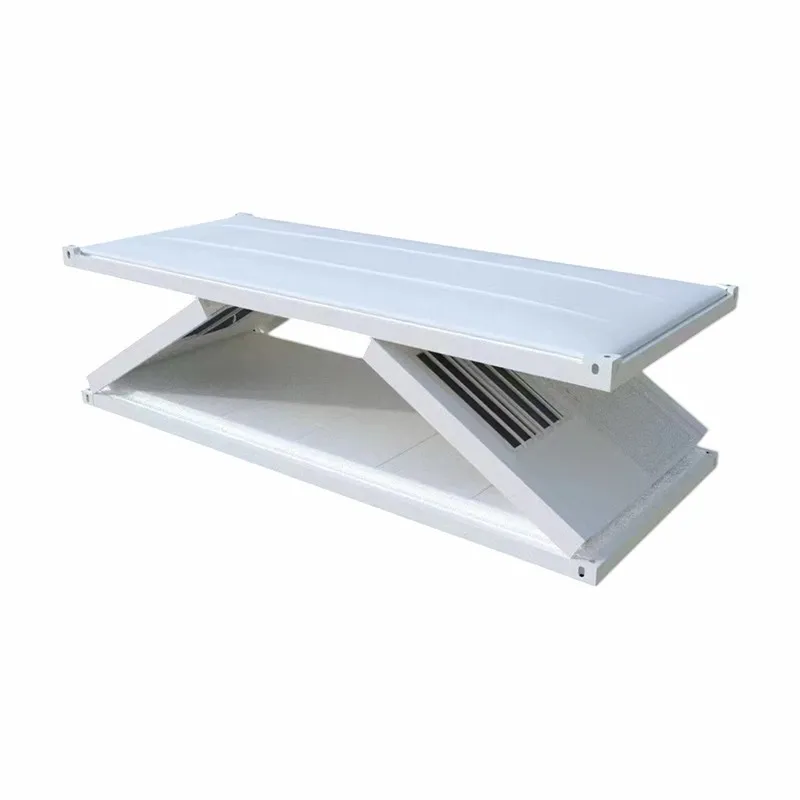
This mobility also means that container houses can be adapted to different sites without causing excessive environmental disruption. For example, in remote or sensitive ecological areas, a container house can be set up with minimal impact on the surrounding environment. Our Z Type Foldable Integrated House is designed for easy transportation and quick assembly, making it a great option for various locations.

Potential Environmental Challenges
However, it's important to acknowledge that container houses also face some environmental challenges. The steel used in containers can be subject to corrosion over time, especially in humid or coastal areas. To prevent corrosion, protective coatings are applied, but these coatings may contain chemicals that can be harmful to the environment if not properly managed.
Another challenge is the limited space in container houses. While this can be an advantage in terms of energy efficiency, it may lead to the use of more compact and potentially less sustainable building materials. For example, some of the furniture and fixtures may be made of low - quality plastics or composite materials that are difficult to recycle.
Conclusion
Overall, container houses have many environmental benefits. Their recycling and reuse of shipping containers, energy efficiency, reduced construction waste, and mobility make them a promising eco - friendly housing option. As a supplier, we strive to minimize the environmental impact of our products by using sustainable materials, improving energy - efficiency features, and properly managing any potential environmental challenges.
If you're interested in learning more about our container houses or are considering them for your next project, I encourage you to reach out to us for a detailed discussion. We can provide you with more information on the environmental features of our products and help you find the best container house solution for your needs. Whether it's a Storage Container Homes, Z Type Foldable Integrated House, or a unique design like our Cargo Container Coffee Shop, we are here to assist you in making an environmentally conscious and practical choice.
References
American Iron and Steel Institute. (n.d.). Energy Savings through Steel Recycling. Retrieved from official resources of the institute.