

Are Office Container Houses Environmentally Friendly?
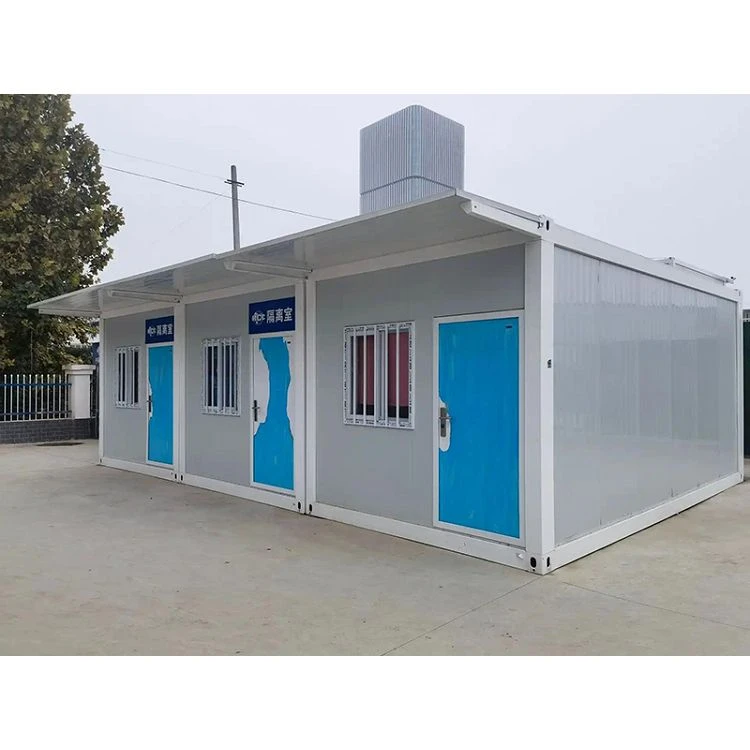
As a supplier of office container houses, I've witnessed firsthand the growing popularity of these structures in recent years. More and more businesses are turning to container houses as a cost - effective and flexible solution for their office spaces. But an important question that often comes up is: Are office container houses environmentally friendly? In this blog post, I'll delve into this topic and explore the various aspects of the environmental impact of office container houses.
Recycling and Reuse
One of the most significant environmental benefits of office container houses is the recycling and reuse of shipping containers. Shipping containers are typically made of steel, which is one of the most recycled materials in the world. Many shipping containers reach the end of their useful life in the shipping industry due to wear and tear, changes in shipping routes, or new container regulations. Instead of sending these containers to landfills, they can be repurposed into office spaces.
By reusing these containers, we significantly reduce the demand for new raw materials. Producing new steel requires a large amount of energy and resources, including iron ore mining, coke production, and the actual steel - making process. When we reuse existing containers, we save all the energy and resources that would have been used in manufacturing new steel structures. This reduction in raw material extraction also helps to preserve natural habitats that would otherwise be disrupted by mining activities.
The concept of reusing shipping containers aligns with the principles of the circular economy. The circular economy aims to keep resources in use for as long as possible, extract the maximum value from them while in use, and then recover and regenerate products and materials at the end of their service life. Office container houses are a prime example of this circular approach, taking something that would be waste and giving it a new, productive life.
Energy Efficiency
Energy efficiency is another crucial factor when evaluating the environmental friendliness of office container houses. Modern office container houses can be designed and built to be highly energy - efficient.
Insulation plays a vital role in energy efficiency. High - quality insulation materials can be installed in the walls, floors, and ceilings of container houses. This insulation helps to keep the interior temperature stable, reducing the need for excessive heating in the winter and cooling in the summer. For example, spray - foam insulation can provide an air - tight seal, preventing heat transfer and reducing energy consumption.
Windows and doors also contribute to energy efficiency. Energy - efficient windows with double or triple glazing can reduce heat loss in cold weather and heat gain in hot weather. Low - emissivity (low - e) coatings on the glass can further enhance energy performance by reflecting infrared radiation. Additionally, well - sealed doors prevent air leakage, ensuring that the conditioned air inside the office stays where it should be.
Many office container houses can also be equipped with renewable energy sources. Solar panels are a popular choice. They can be installed on the roof of the container house to generate electricity. This not only reduces the reliance on the grid but also decreases the carbon footprint associated with energy consumption. Some container houses are even designed to be completely off - grid, relying solely on solar power, wind power, or a combination of both.
Reduced Construction Waste
Traditional construction methods often generate a significant amount of waste. Building materials such as lumber, concrete, and drywall are often over - ordered, and the excess is discarded. On - site construction also involves cutting, shaping, and fitting materials, which can result in a large amount of scrap.
In contrast, the construction of office container houses produces much less waste. Since the containers are pre - fabricated in a factory environment, the manufacturing process can be more precise and controlled. The components of the container house, such as the insulation, electrical wiring, and plumbing, can be pre - cut and assembled to fit exactly into the container structure. This reduces the amount of leftover materials and scrap.
Furthermore, the modular nature of container houses allows for easy disassembly and relocation. If a business decides to move its office or no longer needs the container house, the structure can be disassembled, and the components can be reused or recycled. This is in stark contrast to traditional buildings, which are often demolished and sent to landfills when they are no longer needed.
Transport and Installation
Transporting and installing office container houses also has environmental implications. Shipping containers are designed to be easily transported by various means, including trucks, trains, and ships. Their standard size and shape make them compatible with existing transportation infrastructure, which can optimize the shipping process.
Compared to transporting large amounts of building materials for a traditional office building, transporting a pre - fabricated container house can be more energy - efficient. Since the container is a single, pre - assembled unit, it reduces the number of trips required for transportation. This, in turn, reduces fuel consumption and greenhouse gas emissions associated with transportation.
The installation of office container houses is also relatively quick and straightforward. Unlike traditional construction, which can take months or even years to complete, a container house can be installed on - site in a matter of days. This shorter construction time means less disruption to the surrounding environment and fewer resources used during the construction process.

Potential Drawbacks
While office container houses have many environmental benefits, it's important to acknowledge that they also have some potential drawbacks.
One concern is the initial carbon footprint associated with transporting shipping containers from their original location to the site where they will be converted into office spaces. If the containers have to travel long distances, the fuel consumption and emissions from transportation can be significant. However, this can be mitigated by sourcing containers locally or from nearby regions.
Another potential issue is the long - term durability of some container house components. While steel containers are generally strong and durable, the other materials used in the interior fit - out, such as the insulation and finishes, may have a shorter lifespan. If these materials need to be replaced frequently, it can generate waste and have a negative environmental impact. However, by choosing high - quality and long - lasting materials, this problem can be minimized.
Conclusion
In conclusion, office container houses are generally environmentally friendly. Their recycling and reuse of shipping containers, energy - efficient design, reduced construction waste, and relatively low - impact transport and installation make them a sustainable alternative to traditional office buildings.
If you're considering an office space solution that is both environmentally friendly and cost - effective, I encourage you to explore our range of office container houses. We offer a variety of designs and configurations to meet your specific needs. You can also check out our Storage Container Homes, Medical Container House, and Prefabricated Houses for more options.
Contact us today to start a conversation about how we can provide you with the perfect office container house. Let's work together to create a sustainable workspace for your business.
References
- European Commission. (2020). A European Green Deal. Brussels: European Commission.
- International Renewable Energy Agency (IRENA). (2021). Renewable Energy Statistics 2021. Abu Dhabi: IRENA.
- United Nations Environment Programme (UNEP). (2019). Global Resources Outlook 2019: Natural Resources for the Future We Want. Nairobi: UNEP.