

Can a Container House be Moved Easily?
As a supplier of container houses, I often get asked whether these innovative dwellings can be moved with ease. The answer isn't a simple yes or no; it depends on several factors that I'll explore in this blog post.
Understanding the Basics of Container House Mobility
Container houses are built using shipping containers, which are designed to be transported across the globe via various modes of transportation, including ships, trains, and trucks. This inherent design makes container houses fundamentally movable. However, the ease of movement can vary significantly based on the type of container house, its size, and the specific circumstances of the move.
One of the primary advantages of container houses is their portability. They are modular in nature, which means they can be disassembled and reassembled relatively quickly compared to traditional brick-and-mortar structures. This modularity allows for flexibility in terms of relocation, whether it's for a short - term project or a long - term change of location.
Factors Affecting the Ease of Moving a Container House
Size and Weight
The size and weight of a container house play a crucial role in determining how easily it can be moved. Standard shipping containers come in various sizes, such as 10 - foot, 20 - foot, and 40 - foot lengths. Smaller container houses, like the 10ft Expandable Container House, are generally easier to move. They are lighter and require less specialized equipment for transportation.
On the other hand, larger container houses, especially those that are custom - built and combine multiple containers or have additional features like heavy - duty insulation, furniture, and appliances, can be much more challenging to move. The weight of these larger structures may exceed the capacity of standard transportation vehicles, requiring the use of specialized heavy - haul trucks or cranes.
Expansion Features
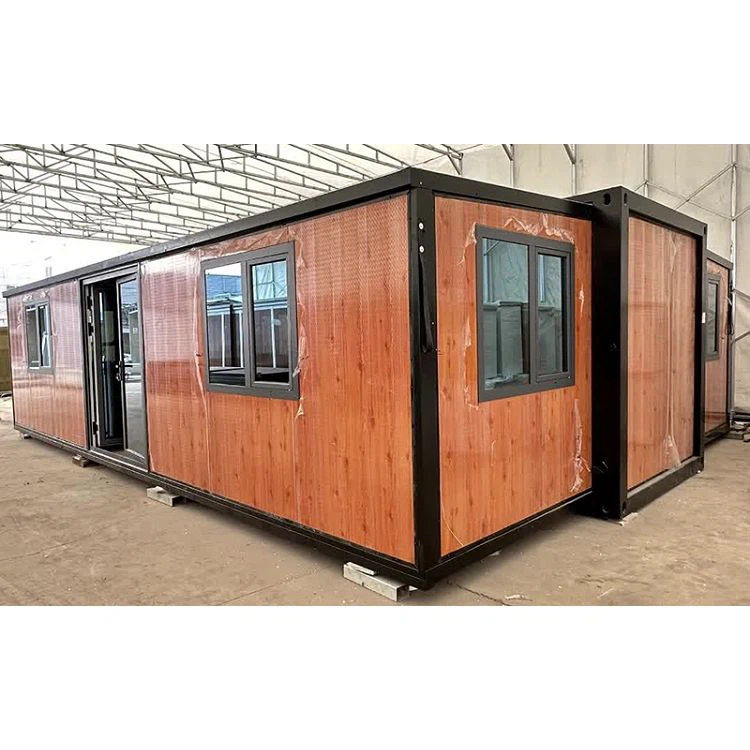
Some container houses are designed with expandable features. For example, the 30ft Expandable Container House can increase its living space by expanding its sides. While these expandable container houses offer more space when stationary, they can add complexity to the moving process. The expansion mechanisms need to be properly secured and sometimes disassembled before the move to ensure safe transportation.
Foundation and Installation
The way a container house is installed also affects its mobility. If a container house is simply placed on a flat surface without any foundation or anchoring, it can be relatively easy to move. However, many container houses are installed on a foundation, such as a concrete slab or a steel frame. In such cases, disassembling the connection between the container house and the foundation can be a time - consuming and labor - intensive process.
Additionally, if the container house has been plumbed and wired into the local utilities, disconnecting and reconnecting these systems can add further complexity to the move.
Modes of Transportation for Container Houses
Trucks
Truck transportation is one of the most common ways to move container houses, especially for short - to medium - distance relocations. Flatbed trucks are often used to transport container houses, as they provide a stable platform for loading and unloading. For smaller container houses, a single truck may be sufficient, while larger or multiple - container structures may require the use of multiple trucks or a special heavy - haul truck.
However, truck transportation has its limitations. It is subject to road regulations, such as weight limits and height restrictions. Certain routes may not be accessible due to low bridges or narrow roads, which can make the moving process more complicated.
Trailers
Trailers can also be used to move container houses. They are similar to trucks but offer more flexibility in terms of loading and unloading. Some trailers are designed specifically for transporting shipping containers, with adjustable frames to accommodate different container sizes.
Trailers are also useful for off - road or rough - terrain transportation, as they can be towed by a variety of vehicles. However, like trucks, trailers are also limited by road and weight regulations.
Ships and Trains
For long - distance or international relocations, ships and trains can be viable options. Shipping containers are designed to be easily transferred between different modes of transportation, making them suitable for intermodal shipping. Container houses can be loaded onto cargo ships and transported across oceans or placed on trains for long - distance land transportation.
Using ships and trains can be cost - effective for large - scale or long - distance moves. However, this option requires careful planning, including arranging for container handling at ports or train stations and coordinating with shipping companies or railway operators.
Preparing a Container House for a Move
Regardless of the mode of transportation, proper preparation is essential for a successful move. Here are some steps to follow:
Empty the Container
Before moving, remove all personal belongings, furniture, and appliances from the container house. This not only reduces the weight but also prevents damage during transportation.
Secure Loose Items
If there are any items that cannot be removed, such as built - in cabinets or fixtures, make sure they are securely fastened to prevent them from shifting during the move.

Disconnect Utilities
If the container house is connected to water, electricity, or sewage systems, disconnect these utilities properly. This may require the assistance of a professional plumber or electrician.
Inspect the Container
Conduct a thorough inspection of the container house for any damage or loose parts. Repair any issues before the move to ensure the safety of the structure during transportation.
Conclusion
In conclusion, while container houses are inherently movable due to their design based on shipping containers, the ease of movement depends on multiple factors such as size, weight, expansion features, and installation. Smaller and non - expandable container houses with minimal foundation requirements are generally easier to move, while larger and more complex structures may require more planning and specialized equipment.
Whether you're considering a short - term relocation for a project or a long - term change of location, our company offers a range of container houses, including the 30ft Expandable Container House, Container House Willas, and 10ft Expandable Container House. Our team can provide you with detailed information on the mobility of each type of container house and assist you with the moving process.
If you're interested in purchasing a container house or need more information on its relocation, don't hesitate to reach out to us. Our experts are here to answer your questions and guide you through the procurement process to find the best container house solution for your needs.
References
- "Container Homes: Building Your Dream Home from Shipping Containers" by Alex Wilson
- "The Complete Guide to Building with Shipping Containers" by Kieran Setiya and Karl Nesjes