

Adding a carport to a pre-made container home is a question that many homeowners and potential buyers often ask. As a supplier of pre-made container homes, I've encountered this query numerous times, and I'm here to share some insights on whether it's feasible and what factors you need to consider.
Feasibility of Adding a Carport to a Pre - Made Container Home
First and foremost, it is entirely possible to add a carport to a pre-made container home. Container homes are known for their modularity and adaptability, which makes them suitable for various modifications, including the addition of a carport. The structure of a container is robust and can support additional attachments if done correctly.
The key lies in proper planning and execution. You need to ensure that the carport is structurally sound and compatible with the existing container home. This involves assessing the foundation of the container home, as adding a carport will increase the load on the ground. If the foundation is not strong enough, it may lead to settlement issues over time.
Advantages of Adding a Carport
There are several benefits to adding a carport to your pre-made container home. One of the most obvious advantages is protection for your vehicle. A carport shields your car from the elements, such as rain, snow, and harsh sunlight. This can help prevent damage to the paintwork, interior, and mechanical components of your vehicle, ultimately extending its lifespan.
In addition to vehicle protection, a carport can also enhance the overall aesthetic appeal of your container home. It can add a touch of functionality and style, making your property more attractive. Moreover, it can increase the value of your home, which is an important consideration if you plan to sell it in the future.
Design Considerations
When designing a carport for your pre-made container home, there are several factors to keep in mind. The first is the size of the carport. You need to ensure that it is large enough to accommodate your vehicle comfortably, with some extra space for opening doors and maneuvering. Consider the type of vehicle you own, whether it's a small car, an SUV, or a truck, and choose a carport size accordingly.
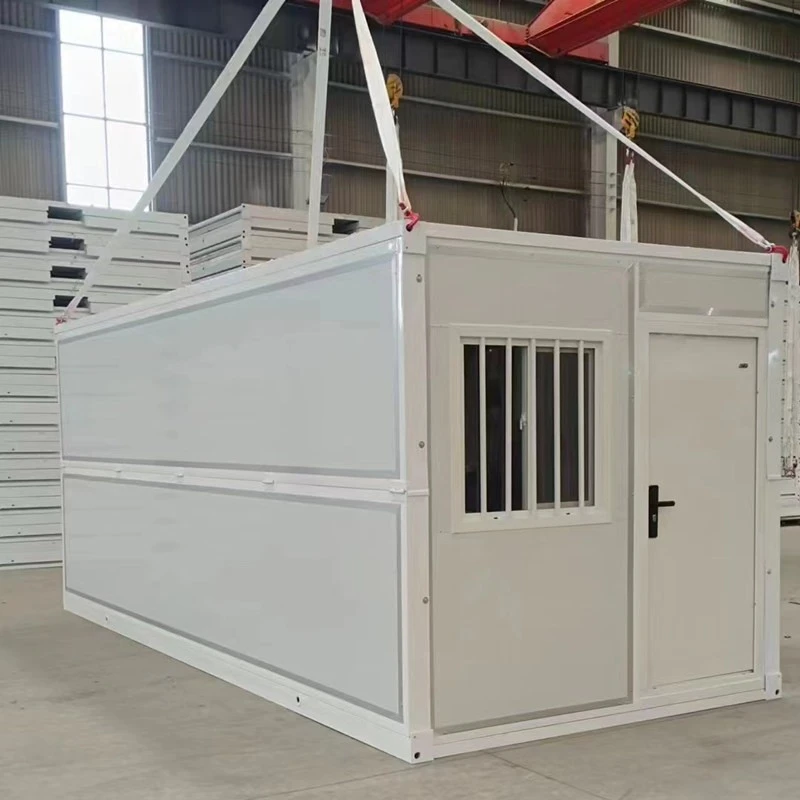
Another important design consideration is the style of the carport. It should complement the design of your container home. For example, if you have a modern storage container home modern storage container homes, a sleek and minimalist carport design would be a good fit. On the other hand, if your container home has a more rustic or traditional look, a carport with a pitched roof and natural materials might be more appropriate.
The location of the carport is also crucial. It should be placed in a convenient location, close to the entrance of your container home for easy access. You also need to consider factors such as sunlight exposure and wind direction to ensure that the carport provides adequate protection.

Structural Considerations
As mentioned earlier, the structural integrity of the carport is of utmost importance. You need to ensure that it is properly attached to the container home or the ground. If you're attaching the carport directly to the container, you need to use appropriate hardware and fasteners to ensure a secure connection.
The foundation of the carport is another critical aspect. Depending on the size and weight of the carport, you may need to pour a concrete slab or use footings. This will provide a stable base for the carport and prevent it from shifting or collapsing.
It's also important to consider the local building codes and regulations when adding a carport to your container home. These codes may specify requirements for the height, size, and construction materials of the carport. Make sure to obtain the necessary permits before starting the construction to avoid any legal issues.
Cost Considerations
The cost of adding a carport to a pre-made container home can vary depending on several factors, such as the size, design, and materials used. A simple metal carport can be relatively inexpensive, while a more elaborate wooden or custom-designed carport can be more costly.
In addition to the cost of the carport itself, you also need to factor in the cost of installation, including labor and any necessary equipment. If you're hiring a contractor to build the carport, make sure to get multiple quotes to compare prices and ensure that you're getting a fair deal.
Installation Process
The installation process of a carport can be complex, especially if you're not experienced in construction. If you're confident in your DIY skills, you can attempt to install the carport yourself. However, it's recommended to hire a professional contractor to ensure that the installation is done correctly and safely.
The first step in the installation process is to prepare the site. This involves clearing the area, leveling the ground, and pouring the foundation if necessary. Once the foundation is in place, the carport components can be assembled and attached to the foundation or the container home.
During the installation, it's important to follow the manufacturer's instructions carefully and use the appropriate tools and materials. Make sure to check the alignment and stability of the carport at each stage of the installation to ensure that it is properly installed.
Examples of Carport Designs for Container Homes
There are many different types of carport designs that can be used with pre-made container homes. One popular option is a lean-to carport, which is attached to the side of the container home. This type of carport is relatively easy to install and can provide a simple and effective solution for vehicle protection.
Another option is a freestanding carport, which is not attached to the container home. This type of carport offers more flexibility in terms of location and design. It can be placed anywhere on your property, away from the container home if desired.
For those who want a more stylish and modern look, a contemporary carport with a flat roof and clean lines can be a great choice. This type of carport can enhance the overall aesthetic appeal of your container home and make it stand out.
Conclusion
In conclusion, adding a carport to a pre-made container home is a feasible and beneficial project. It can provide protection for your vehicle, enhance the aesthetic appeal of your home, and increase its value. However, it's important to carefully consider the design, structural, and cost factors before starting the project.
If you're interested in adding a carport to your pre-made container home or purchasing a container home, we're here to help. Our company offers a wide range of pre-made container homes, including M Type Foldable Container House and Homestay Container. We can also provide guidance and support throughout the carport installation process.
Contact us today to discuss your needs and explore the possibilities of adding a carport to your container home. Let's work together to create the perfect living space for you.
References
- "Container Home Design and Construction Guide" - A comprehensive guide on container home design and modifications.
- Local building codes and regulations - These documents provide specific requirements for carport construction in your area.
- Manufacturer's instructions for carport kits - These instructions offer detailed information on the installation process and materials.