

Hey there! I'm a supplier of welded container houses, and I've been getting a lot of questions lately about adding balconies to these nifty homes. So, I thought I'd put together this blog post to walk you through the process. Whether you're looking to add a little extra outdoor space to your Office Container House or want to make your sustainable container home even more awesome, this guide is for you.
Why Add a Balcony to Your Welded Container House?
First off, let's talk about why you'd want to add a balcony in the first place. A balcony can be a game-changer for your container house. It gives you a private outdoor space where you can relax, enjoy the view, and soak up some sun. It's also a great way to increase the value of your home and make it more appealing to potential buyers if you ever decide to sell.
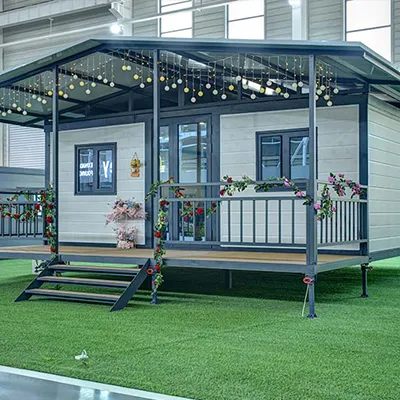

Planning Your Balcony
Before you start welding and building, you need to do some planning. Here are the steps you should take:
1. Check Local Regulations
The first thing you need to do is check with your local building department to see if there are any regulations or permits required for adding a balcony to your container house. Some areas have strict rules about the size, location, and construction of balconies, so it's important to know what you're getting into before you start.
2. Determine the Size and Location
Next, you need to decide how big you want your balcony to be and where you want to put it. Consider the size of your container house, the view you want to enjoy, and how you plan to use the balcony. For example, if you want to use it for dining, you'll need a larger space than if you just want to use it for sitting and reading.
3. Choose the Right Materials
When it comes to building a balcony, you need to choose the right materials. You'll want to use materials that are strong, durable, and weather-resistant. Some common materials for balcony construction include steel, aluminum, and wood. Steel is a popular choice because it's strong and can be easily welded to your container house. Aluminum is lightweight and corrosion-resistant, making it a good choice for coastal areas. Wood is a more traditional option that can add a warm, natural look to your balcony.
4. Design Your Balcony
Once you've determined the size, location, and materials for your balcony, it's time to design it. You can use a pencil and paper to sketch out your design, or you can use a computer-aided design (CAD) program to create a more detailed plan. Make sure your design includes all the necessary elements, such as the railing, stairs, and flooring.
Building Your Balcony
Now that you've done your planning, it's time to start building your balcony. Here are the steps you should follow:
1. Prepare Your Container House
Before you start building your balcony, you need to prepare your container house. This may involve cutting a hole in the side of the container to create an opening for the balcony. Make sure you use the right tools and follow all safety precautions when cutting into your container.
2. Weld the Frame
Once you've prepared your container house, it's time to weld the frame for your balcony. Start by measuring and cutting the steel or aluminum tubing to the correct length. Then, use a welding machine to join the pieces together to form the frame. Make sure the frame is square and level before you proceed.
3. Attach the Frame to Your Container House
After you've welded the frame, it's time to attach it to your container house. Use bolts or welding to secure the frame to the side of the container. Make sure the frame is securely attached and that there are no gaps or loose connections.
4. Install the Railing
Once the frame is attached to your container house, it's time to install the railing. The railing is an important safety feature that will prevent people from falling off the balcony. You can use pre-made railing kits or build your own using steel or aluminum tubing. Make sure the railing is at least 36 inches high and that it is securely attached to the frame.
5. Add the Flooring
After you've installed the railing, it's time to add the flooring to your balcony. You can use wood, composite decking, or concrete to create the flooring. Make sure the flooring is level and that there are no gaps or loose boards.
6. Install the Stairs
If your balcony is located on an upper level of your container house, you'll need to install stairs to access it. You can use pre-made stair kits or build your own using steel or aluminum tubing. Make sure the stairs are securely attached to the balcony and that they are safe to use.
Finishing Touches
Once you've built your balcony, it's time to add the finishing touches. Here are some ideas:
1. Paint or Stain the Balcony
To protect your balcony from the elements and give it a finished look, you can paint or stain it. Choose a paint or stain that is designed for outdoor use and that matches the color of your container house.
2. Add Furniture and Decor
To make your balcony more comfortable and inviting, you can add furniture and decor. Choose furniture that is designed for outdoor use and that fits the size and style of your balcony. You can also add plants, rugs, and other decorative elements to make your balcony feel like an extension of your home.
3. Install Lighting
To make your balcony usable at night, you can install lighting. You can use solar lights, LED lights, or traditional light fixtures to illuminate your balcony. Make sure the lighting is safe and that it doesn't create any glare or shadows.
Conclusion
Adding a balcony to your welded container house is a great way to increase the value and functionality of your home. By following the steps outlined in this blog post, you can build a safe, durable, and beautiful balcony that you'll enjoy for years to come.
If you're interested in purchasing a welded container house or have any questions about adding a balcony, please don't hesitate to contact us. We're here to help you create the home of your dreams.
References
- Building Codes and Regulations: Your local building department can provide you with information about the building codes and regulations in your area.
- Welding and Metalworking: There are many resources available online and in libraries that can teach you how to weld and work with metal.
- Balcony Design and Construction: There are many books and websites available that can provide you with ideas and inspiration for balcony design and construction.