

As a supplier of Medical Container Houses, I've witnessed firsthand the growing demand for these versatile structures in the medical field. They offer a quick, cost - effective, and flexible solution for various medical needs, from temporary clinics in remote areas to mobile vaccination centers. However, it's crucial to understand the environmental impacts associated with these container houses, both positive and negative.
Positive Environmental Impacts
Recycling and Reuse
One of the most significant environmental benefits of medical container houses is the reuse of shipping containers. These containers are typically made of steel, which is highly recyclable. Many shipping containers reach the end of their useful life in the shipping industry but still have a lot of structural integrity left. By repurposing them into medical container houses, we divert large amounts of steel from landfills. According to the World Steel Association, steel recycling saves up to 75% of the energy required to produce new steel. This not only conserves natural resources but also reduces greenhouse gas emissions associated with steel production.
Reduced Construction Waste
Traditional construction projects often generate a substantial amount of waste. Building a medical facility from scratch can result in tons of debris, including concrete, wood, and insulation materials. In contrast, constructing a medical container house involves less waste. Since the container already exists, the main work is modifying and fitting it out for medical use. The modular nature of container houses also means that components can be pre - fabricated off - site, minimizing on - site waste. This efficient use of materials aligns with sustainable construction principles.
Energy Efficiency
Modern medical container houses can be designed to be energy - efficient. For example, Container House with Pitched Roof models can be equipped with proper insulation materials. Insulation helps to regulate the internal temperature of the container house, reducing the need for excessive heating or cooling. Additionally, solar panels can be installed on the roof of the container house. Solar energy is a clean and renewable source of power, and using it to meet the energy needs of a medical container house can significantly reduce its carbon footprint. In areas with abundant sunlight, solar - powered medical container houses can operate independently of the grid, providing a sustainable solution for medical services in remote locations.
Negative Environmental Impacts
Transportation Emissions
The transportation of shipping containers to the construction site and the subsequent delivery of the finished medical container house can have a negative environmental impact. Shipping containers are heavy, and transporting them over long distances by truck, train, or ship consumes a significant amount of fuel. Diesel - powered trucks, in particular, emit large amounts of greenhouse gases, such as carbon dioxide and nitrogen oxides. The emissions from transportation contribute to air pollution and climate change. To mitigate this, suppliers can explore more sustainable transportation options, such as using electric or hybrid trucks for local deliveries or optimizing shipping routes to reduce fuel consumption.
Chemical Treatments
To protect the container from corrosion and ensure its longevity, chemical treatments are often applied. These treatments can contain harmful substances, such as heavy metals and volatile organic compounds (VOCs). When these chemicals are released into the environment during the manufacturing process or over time as the container ages, they can pose a risk to human health and the ecosystem. For example, VOCs can contribute to the formation of ground - level ozone, which is a major component of smog. To address this issue, suppliers should look for more environmentally friendly coating options that are low in VOCs and free of toxic heavy metals.
End - of - Life Disposal
Although shipping containers are durable, they will eventually reach the end of their useful life as medical container houses. Disposing of these structures can be a challenge. If not properly managed, the steel and other materials in the container house can end up in landfills, where they may take a long time to decompose. Additionally, any remaining chemical treatments on the container can leach into the soil and groundwater, causing environmental contamination. To ensure proper end - of - life disposal, suppliers should have a plan in place for recycling or repurposing the container house components.
Mitigating Environmental Impacts
Sustainable Sourcing
As a supplier, I am committed to sustainable sourcing. This means working with suppliers who use environmentally friendly manufacturing processes and materials. For example, when sourcing insulation materials, I look for products made from recycled or renewable materials, such as recycled denim or cellulose insulation. By choosing sustainable materials, we can reduce the environmental impact of the medical container house throughout its life cycle.
Green Design and Technology
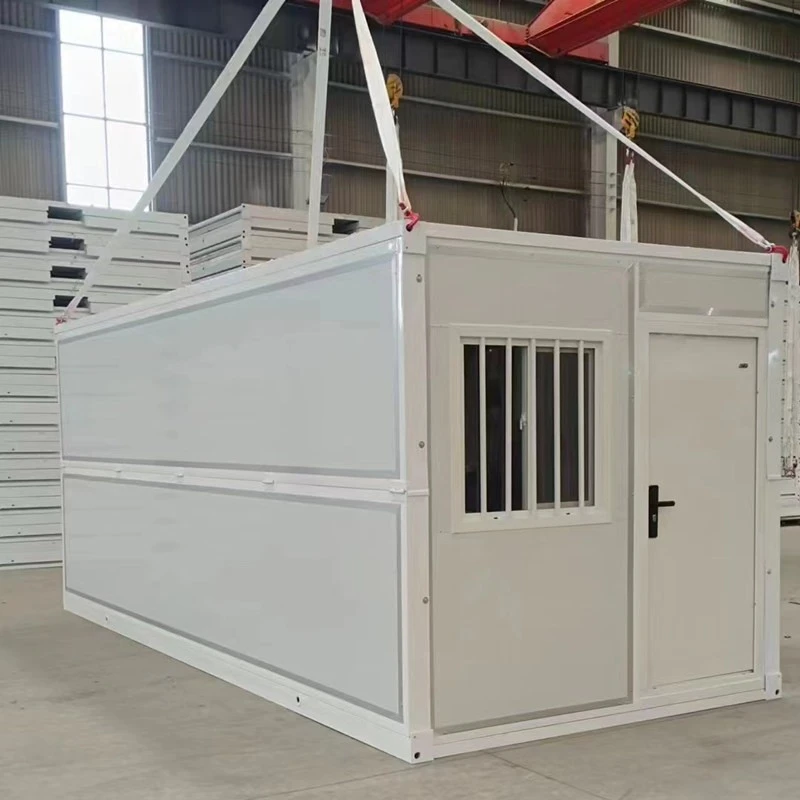
Incorporating green design principles and advanced technology into the medical container house is essential. For instance, the M Type Foldable Container House can be designed with a smart energy management system. This system can monitor and control the energy consumption of the container house, adjusting the heating, cooling, and lighting based on occupancy and environmental conditions. Additionally, using water - saving fixtures, such as low - flow toilets and faucets, can reduce water consumption in the medical facility.
Lifecycle Assessment
Conducting a lifecycle assessment (LCA) of the medical container house is a valuable tool for understanding its environmental impact. An LCA evaluates the environmental impacts of a product or service from raw material extraction, through production, use, and end - of - life disposal. By analyzing the LCA results, we can identify areas where improvements can be made and develop strategies to reduce the overall environmental footprint of the medical container house.
Conclusion
Medical container houses offer a practical and innovative solution for the medical industry. They have several positive environmental impacts, such as recycling and energy efficiency. However, they also face challenges in terms of transportation emissions, chemical treatments, and end - of - life disposal. As a supplier, I am dedicated to minimizing the negative environmental impacts of our medical container houses. By focusing on sustainable sourcing, green design, and lifecycle assessment, we can ensure that our products are not only functional but also environmentally responsible.
If you are interested in our Medical Container Houses, including the Telescopic And Expandable Container House, and want to discuss your specific requirements, I encourage you to reach out to us for a procurement negotiation. We are eager to work with you to provide a sustainable and high - quality medical container house solution.

References
- World Steel Association. "Steel Recycling." Accessed [date].
- Environmental Protection Agency. "Volatile Organic Compounds (VOCs) and Indoor Air Quality." Accessed [date].
- International Organization for Standardization. "ISO 14040: Environmental management - Life cycle assessment - Principles and framework." Accessed [date].