

Hey there! I'm part of the team at Container Home Made Easy, and we're all about making container homes accessible and hassle - free. But before you jump into building your dream container home, it's crucial to understand the zoning laws. In this blog, I'll break down what you need to know about zoning laws for easily - made container homes.
What Are Zoning Laws?
Zoning laws are rules set by local governments to control how land in a particular area can be used. They determine things like where you can build a home, what type of structures are allowed, and how big those structures can be. These laws are in place to ensure that a community is developed in an organized and safe way.
For container homes, zoning laws can be a bit tricky. Since they're a relatively new and unique housing option, not all local authorities have clear guidelines for them. Some areas might treat container homes the same as traditional homes, while others might have specific rules or restrictions.
Residential Zoning
Most of the time, if you want to live in your container home, you'll need to look for areas zoned for residential use. Residential zoning is divided into different categories, such as single - family, multi - family, and mixed - use.
- Single - Family Zoning: This is the most common type of residential zoning for individual homes. If you're planning to build a single container home for your family, you'll likely need to find a plot in a single - family zoned area. In these areas, the zoning laws usually specify things like the minimum and maximum lot size, the setback requirements (how far the house must be from the property lines), and the height limits. For example, a single - family zoned area might require a minimum lot size of 5,000 square feet and a setback of 10 feet from the front property line.
- Multi - Family Zoning: If you're thinking about building multiple container homes on one plot or creating a container home community, you'll need to look for multi - family zoned areas. These areas are designed for apartment buildings, duplexes, and other multi - unit housing. The rules in multi - family zoning are often more complex, as they need to account for things like parking, shared amenities, and fire safety.
Special Zoning Considerations for Container Homes
Container homes have some unique features that might require special consideration in zoning laws.
- Foundation Requirements: Traditional homes are usually built on a permanent foundation, like a concrete slab. However, container homes can be placed on a variety of foundations, including piers or a lightweight concrete pad. Some zoning laws might require a certain type of foundation for all homes, while others might be more flexible. It's important to check with your local zoning department to see what they require.
- Appearance and Design: Zoning laws often have rules about the appearance of buildings in a particular area. Some areas might have strict aesthetic guidelines to maintain a certain look or style. Since container homes have a distinct industrial look, you might need to make some modifications to meet these requirements. For example, you could add siding or other exterior finishes to make the container home blend in better with the surrounding houses.
Finding Zoning Information
So, how do you find out what the zoning laws are for your area? Here are a few steps you can take:
- Contact Your Local Zoning Department: This is the best place to start. You can call or visit your local city or county zoning office and ask about the zoning requirements for container homes. They can provide you with the specific rules and regulations for your area and might even be able to give you some advice on how to comply with them.
- Check Online Resources: Many local governments have their zoning laws available online. You can usually find these on the city or county website. Look for the planning or zoning section, and search for information about residential construction and container homes.
Our Container Home Options
At Container Home Made Easy, we offer a variety of container home options that can fit different needs and budgets.
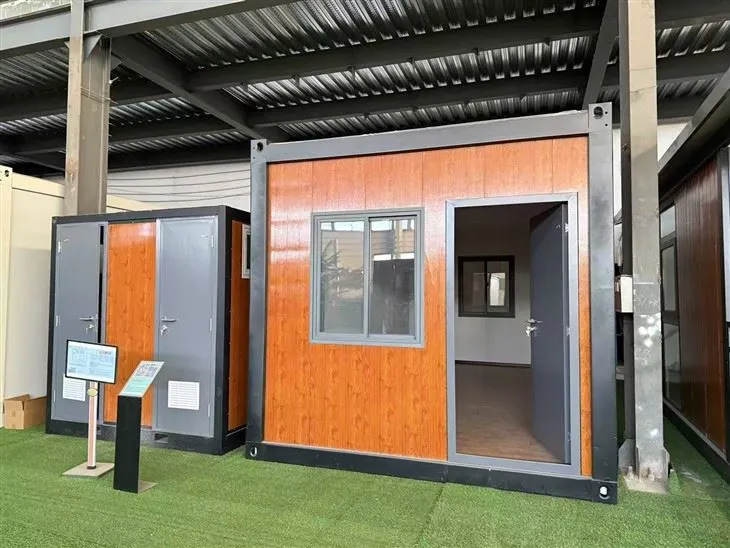
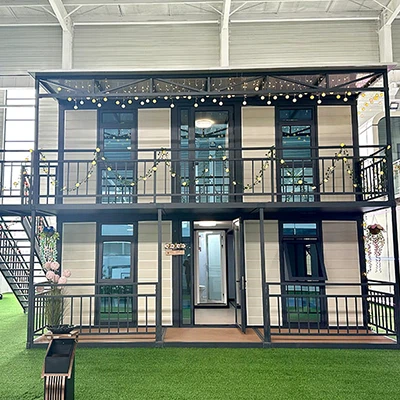
- 3 Bedroom Shipping Container Homes: These homes are perfect for families. They offer plenty of space and can be customized to your liking. We use high - quality shipping containers and modern construction techniques to ensure that your home is durable and comfortable.
- 20ft Expandable Container House: If you're looking for a more compact option, our 20ft expandable container house is a great choice. It's easy to transport and can be expanded to provide more living space when needed.
- Quick - assembled Container House: For those who want to get into their new home quickly, our quick - assembled container houses are the way to go. They can be assembled in a short amount of time, so you can start enjoying your new home sooner.
Working with Zoning Laws
Once you've found out the zoning laws for your area, it's time to start working on making your container home comply. Here are some tips:
- Get a Professional Opinion: A local architect or builder who has experience with container homes can be a great asset. They can help you design a home that meets the zoning requirements and can also assist with the permitting process.
- Be Prepared to Make Modifications: As I mentioned earlier, you might need to make some changes to your container home design to meet the zoning laws. This could include things like adjusting the size, adding certain features, or changing the exterior appearance.
Conclusion
Zoning laws for easily - made container homes can seem overwhelming at first, but with a little research and planning, you can navigate them successfully. At Container Home Made Easy, we're here to help you every step of the way. Whether you need advice on zoning, help with design, or want to purchase one of our high - quality container homes, we're just a call or message away.
If you're interested in learning more about our container home options or have questions about zoning laws, don't hesitate to reach out. We're excited to work with you to turn your container home dream into a reality.
References
- Local zoning department websites
- Conversations with local architects and builders with container home experience