

The weight of a foldable mobile home is a crucial factor that impacts various aspects of its design, transportation, and installation. As a supplier of foldable mobile homes, understanding the weight dynamics is essential for providing high - quality products and ensuring customer satisfaction.
Factors Affecting the Weight of Foldable Mobile Homes
Structural Materials
The choice of materials used in the construction of a foldable mobile home significantly influences its weight. For instance, if a mobile home is built with lightweight aluminum frames, it will generally weigh less compared to one constructed with steel frames. Aluminum is known for its low density, which makes it an ideal choice for reducing the overall weight of the structure. On the other hand, steel offers greater strength and durability but comes with a higher weight.
In addition to the frame, the exterior and interior wall materials also contribute to the weight. Traditional building materials like bricks and concrete are extremely heavy and are not suitable for foldable mobile homes. Instead, suppliers often use lightweight composite panels or fiberglass - reinforced plastics. These materials provide good insulation and are relatively light, which helps in keeping the weight of the mobile home in check.
Size and Dimensions
The size of the foldable mobile home is another major determinant of its weight. Larger mobile homes with more living space will naturally weigh more than smaller ones. The length, width, and height of the home all play a role. For example, a foldable mobile home designed to accommodate a family of four with multiple bedrooms and a spacious living area will have a greater weight compared to a single - person tiny house container.
The layout of the mobile home also matters. Homes with complex floor plans that include multiple levels or compartments may require additional structural support, which can increase the weight.
Equipment and Fixtures
The weight of the equipment and fixtures installed in the foldable mobile home cannot be overlooked. Appliances such as refrigerators, stoves, and washing machines add significant weight. High - end fixtures like large - screen TVs, built - in sound systems, and modern bathroom fixtures also contribute to the overall load.
Moreover, the amount of furniture included in the mobile home affects its weight. A fully furnished mobile home with sofas, beds, and dining sets will weigh more than an unfurnished one. Some customers may opt for a basic setup with minimal furniture to keep the weight down, especially if they plan to transport the mobile home frequently.
Importance of Knowing the Weight
Transportation
One of the primary reasons for understanding the weight of a foldable mobile home is transportation. Different modes of transportation have weight limits. For example, if a customer plans to transport the mobile home by truck, the weight of the home must be within the truck's payload capacity. Exceeding the weight limit can lead to safety hazards on the road, such as difficulty in braking and steering, and may also result in legal issues.
If the mobile home is too heavy for a standard truck, it may require special transportation arrangements, which can be costly. Additionally, the weight distribution within the mobile home is also important during transportation. Uneven weight distribution can cause the vehicle to become unstable, increasing the risk of accidents.
Installation
The weight of the foldable mobile home also affects its installation process. When setting up the home at a new location, the ground or foundation must be able to support the weight. A heavy mobile home may require a more robust foundation, such as a concrete slab or a reinforced pier foundation. In contrast, a lighter mobile home can often be installed on a simpler gravel or wooden foundation.
Understanding the weight helps in planning the installation process more efficiently. It allows the installation team to determine the number of workers and the type of equipment needed for a safe and successful installation.
Typical Weight Ranges
The weight of foldable mobile homes can vary widely depending on the factors mentioned above. A small, basic Tiny House Container designed for short - term use or as a single - person dwelling may weigh anywhere from 1,000 to 3,000 kilograms. These homes typically have a simple structure and minimal equipment.
On the other hand, a larger, more luxurious foldable mobile home with all the modern amenities and a spacious layout can weigh between 5,000 and 10,000 kilograms or even more. These homes are often used as permanent residences or for extended stays and are equipped with high - end appliances and fixtures.
A Steel Container House generally falls in the middle of the weight range. Due to the use of steel in its construction, it is heavier than an aluminum - framed mobile home but lighter than a large, fully - equipped luxury model. The weight of a steel container house can range from 3,000 to 7,000 kilograms, depending on its size and features.
How We Manage Weight as a Supplier
As a foldable mobile home supplier, we take several steps to manage the weight of our products. Firstly, we carefully select the materials used in construction. We source high - quality yet lightweight materials to ensure that our mobile homes are both durable and easy to transport.
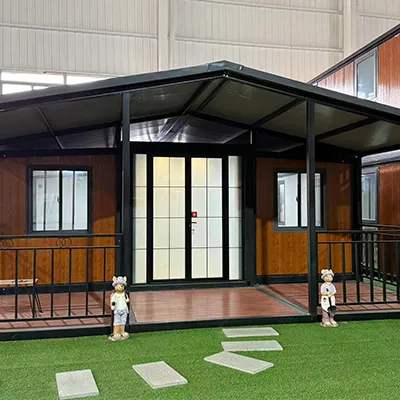
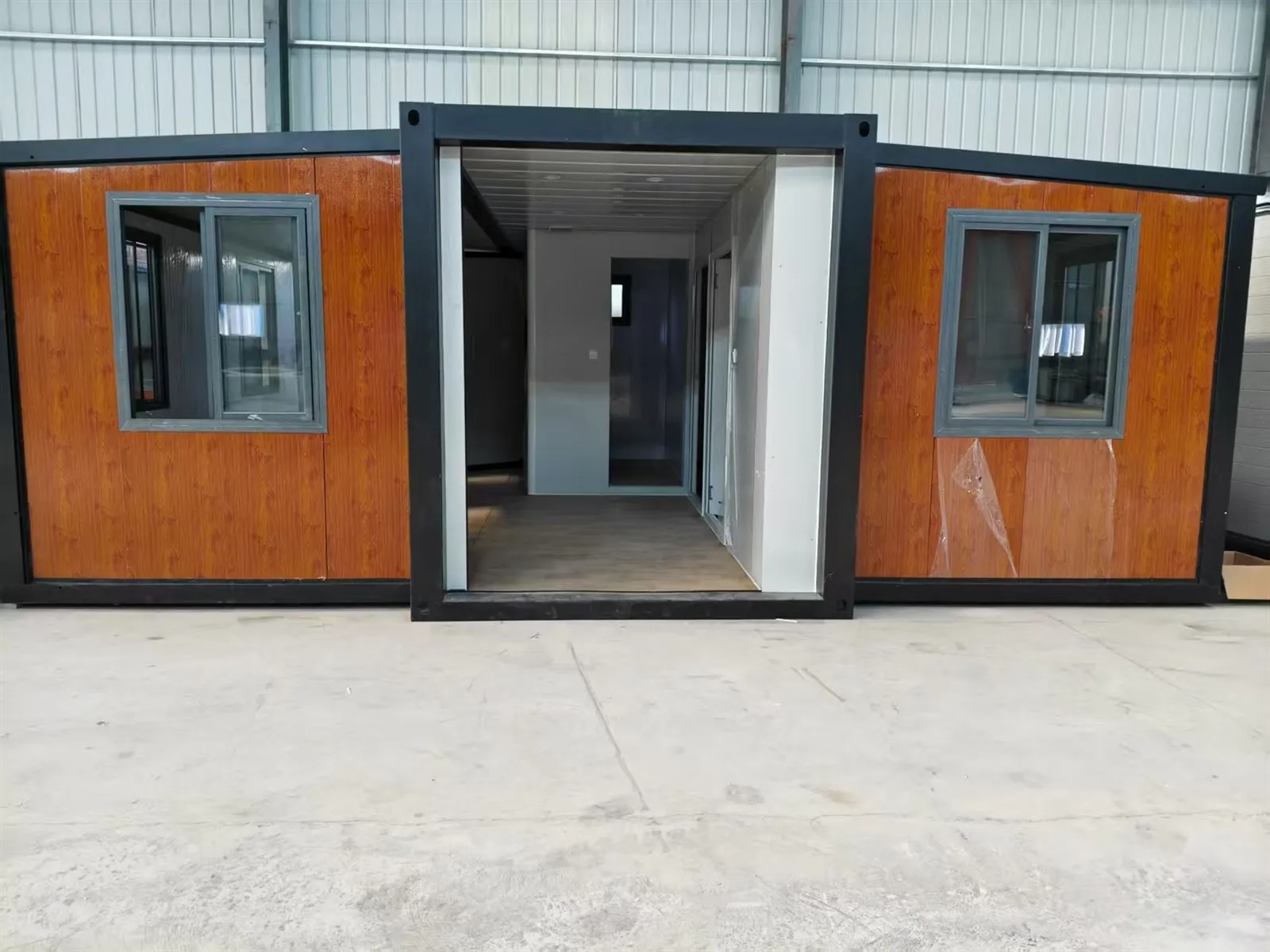
We also offer customization options to our customers. This allows them to choose the equipment and fixtures based on their needs and weight requirements. For example, if a customer is concerned about the weight for transportation purposes, we can recommend smaller or more lightweight appliances.
In addition, our design team focuses on optimizing the structure of the mobile home. We use advanced engineering techniques to ensure that the structural support is sufficient while keeping the weight to a minimum. This includes using truss systems and other lightweight structural elements.
Conclusion
The weight of a foldable mobile home is a multi - faceted aspect that is influenced by various factors such as structural materials, size, and equipment. Understanding the weight is crucial for both transportation and installation. As a supplier, we are committed to providing our customers with high - quality foldable mobile homes that are well - balanced in terms of weight, durability, and functionality.
If you are interested in purchasing a foldable mobile home and have questions about weight, design, or any other aspect, we encourage you to contact us for a detailed discussion. Our team of experts is ready to assist you in finding the perfect mobile home that meets your specific needs.
References
- Construction Materials Handbook: A Guide to Building Materials and Their Properties.
- Transportation Regulations and Guidelines for Mobile Homes.
- Engineering Principles for Lightweight Structures.