

The global tourism industry is evolving rapidly. Travelers today are looking for more than just a place to sleep-they want unique experiences, sustainable accommodation, and flexible locations. Against this backdrop, container hotels are emerging as an innovative and practical solution for the tourism and hospitality sector.https://www.zdhouses.com/space-capsule/modular-capsule-house.html
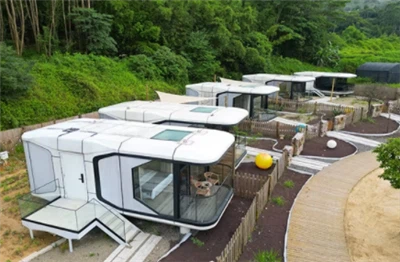
1. Rapid Construction and Faster Return on Investment
Time is critical in the tourism industry. Traditional hotel construction can take years, delaying revenue generation and increasing financial risk.
Container hotels offer:
Factory prefabrication with strict quality control
On-site installation completed in weeks, not years
Minimal weather-related construction delays
For tourism developers, this means:
Faster project launch
Earlier guest bookings
Quicker return on investment (ROI)
Container hotels are especially attractive for seasonal destinations, pop-up resorts, and fast-growing tourism markets.
2. Unique Guest Experience and Strong Brand Differentiation
Modern travelers value originality and storytelling. Container hotels naturally stand out due to their distinctive design and modular architecture.
Key advantages include:
Eye-catching, Instagram-friendly aesthetics
Flexible layouts for themed rooms or boutique concepts
Customizable interiors that reflect local culture
From eco-lodges and beach resorts to mountain retreats and desert camps, container hotels help tourism brands differentiate themselves in a highly competitive market.
3. Sustainability and Eco-Friendly Appeal
Sustainability is no longer optional-it's a core expectation for many travelers.
Container hotels support green tourism by:
Reusing steel shipping containers
Reducing construction waste
Lowering carbon footprint compared to traditional buildings
Supporting energy-efficient insulation and solar integration
For tourism operators, this improves:
Brand image
Compliance with environmental regulations
Appeal to eco-conscious travelers
Container hotels align perfectly with sustainable tourism strategies and ESG goals.
4. Flexibility and Scalability for Changing Tourism Demands
Tourism demand is often unpredictable, influenced by seasons, trends, and global events.
Container hotels offer unmatched flexibility:
Modular expansion or reduction
Easy relocation to new destinations
Adaptable for temporary events, festivals, or pilot projects
This allows tourism developers to:
Test new markets with lower risk
Adjust capacity based on occupancy rates
Repurpose units for staff housing, cafes, or offices
Few traditional hotel structures offer this level of adaptability.
Additional Benefits for Tourism Operators
Beyond the four main reasons, container hotels also provide:
Lower initial investment compared to conventional hotels
Reduced labor and maintenance costs
Strong structural durability in diverse climates
Compatibility with remote or hard-to-build locations
These benefits make container hotels a practical solution for both emerging and established tourism destinations.
