

A common misconception is that container houses are only suitable for mild climates. In reality, well-engineered container houses can perform reliably in extreme cold weather, including sub-zero temperatures, snow-heavy regions, and high-wind environments.
At Zhongding House, container homes are designed with cold-climate performance in mind-through structural engineering, insulation systems, and climate-responsive detailing.https://www.zdhouses.com/container-house/


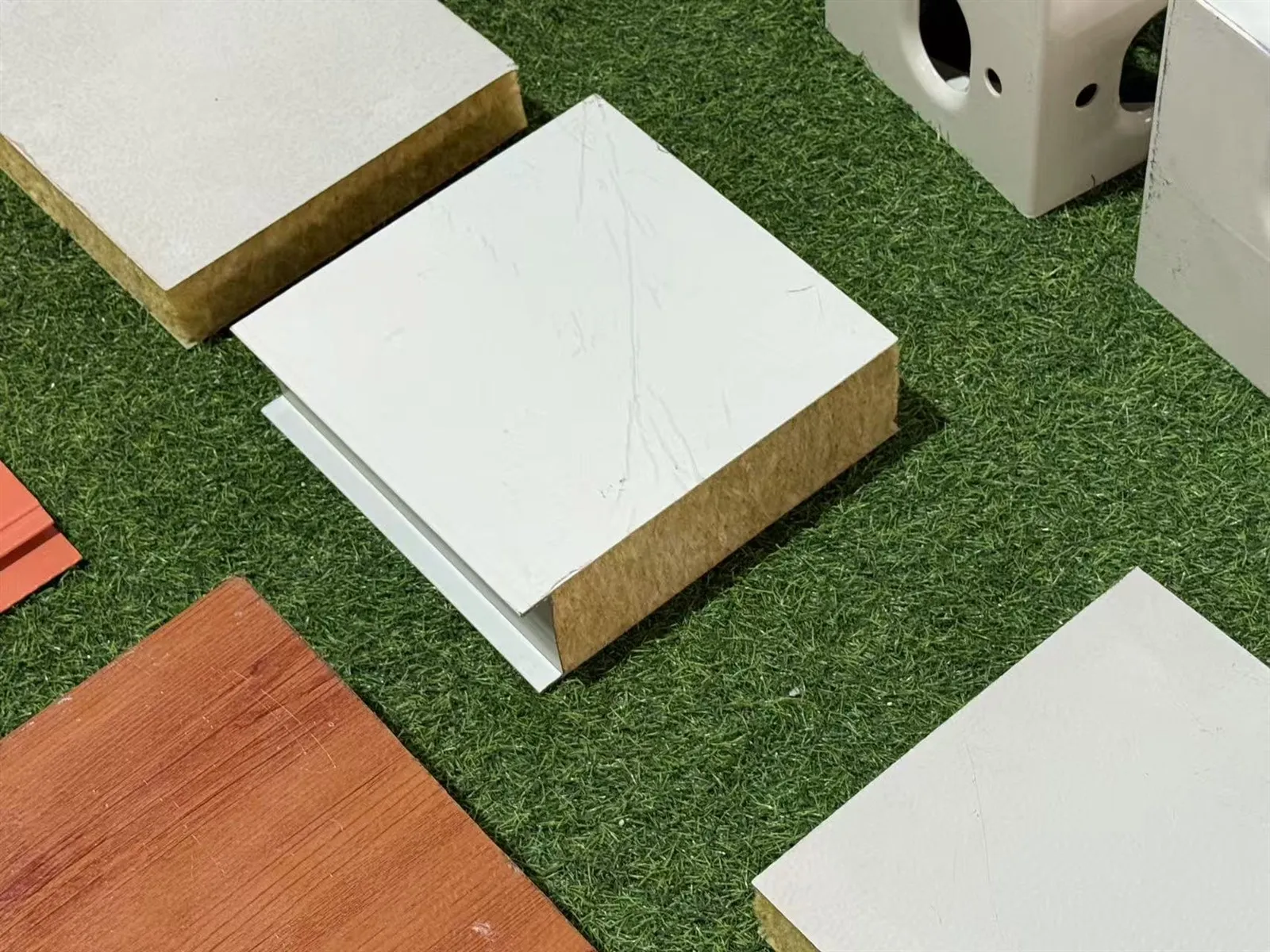

1. High-Performance Insulation Systems
Insulation is the most critical factor for cold-weather performance.
Modern container houses use multi-layer insulation systems, typically including:
Insulated sandwich wall panels
High-density insulation in roofs and floors
Thermal barriers to reduce heat loss
These systems help maintain stable indoor temperatures and reduce heating demand, even in extreme cold.
2. Thermal Bridge Control
Steel structures conduct heat easily, which can lead to thermal bridges if not addressed.
Cold-climate container houses are designed with:
Thermal break materials between steel components
Insulated connection points
Continuous insulation layers across walls, floors, and roofs
This minimizes heat transfer and prevents cold spots and condensation.
3. Cold-Resistant Structural Design
Container houses are built on reinforced steel frames that perform well in harsh environments.
Structural advantages include:
Resistance to heavy snow loads
Stability in freezing temperatures
Minimal structural deformation
Proper load calculations ensure roofs and frames can safely handle snow accumulation.
4. Insulated Floors and Elevated Foundations
Cold often enters a building from below.
To combat this, container houses typically feature:
Insulated floor panels
Raised foundations to reduce ground cold transfer
Moisture barriers to prevent freezing dampness
These measures significantly improve indoor comfort during winter.
5. Energy-Efficient Doors and Windows
Openings are a major source of heat loss.
Cold-weather container homes use:
Double- or triple-glazed windows
Tight-sealing doors
Weather-resistant frames
Large windows can still be used when paired with proper glazing technology.
6. Airtight Construction & Weather Sealing
Wind infiltration can drastically reduce heating efficiency.
Container houses are sealed using:
High-quality joint sealants
Weatherproof gaskets
Factory-controlled assembly for precision
This airtightness helps retain heat and block cold air intrusion.
7. Heating System Compatibility
Container houses are designed to work with multiple heating solutions, such as:
Electric or radiant heating
Split-type HVAC systems
Underfloor heating
Renewable energy-supported systems
Efficient insulation allows heating systems to operate effectively with lower energy consumption.
8. Moisture & Condensation Management
Extreme cold can lead to condensation if not properly controlled.
Design solutions include:
Vapor barriers within wall systems
Proper ventilation planning
Moisture-resistant interior finishes
This protects the structure and improves indoor air quality.
9. Exterior Finishes for Cold Regions
Exterior materials play an important role in winter performance.
Cold-climate container houses often use:
Corrosion-resistant coatings
Weather-proof exterior cladding
Snow-shedding roof designs
These features protect the structure and reduce maintenance needs.
Real-World Cold-Climate Applications
With the right design, container houses are successfully used in:
Northern and alpine regions
Mining and energy camps
Remote workforce housing
Emergency winter shelters
Long-term residential projects
Performance depends on engineering quality-not the container concept itself.
Zhongding House Cold-Climate Expertise
At Zhongding House, cold-weather container houses are engineered through:
Climate-specific insulation design
Structural load calculations
Factory quality control
Custom material selection
We adapt container house systems to match environmental conditions-not the other way around.

Contact Zhongding House to design a container home engineered for winter performance.