

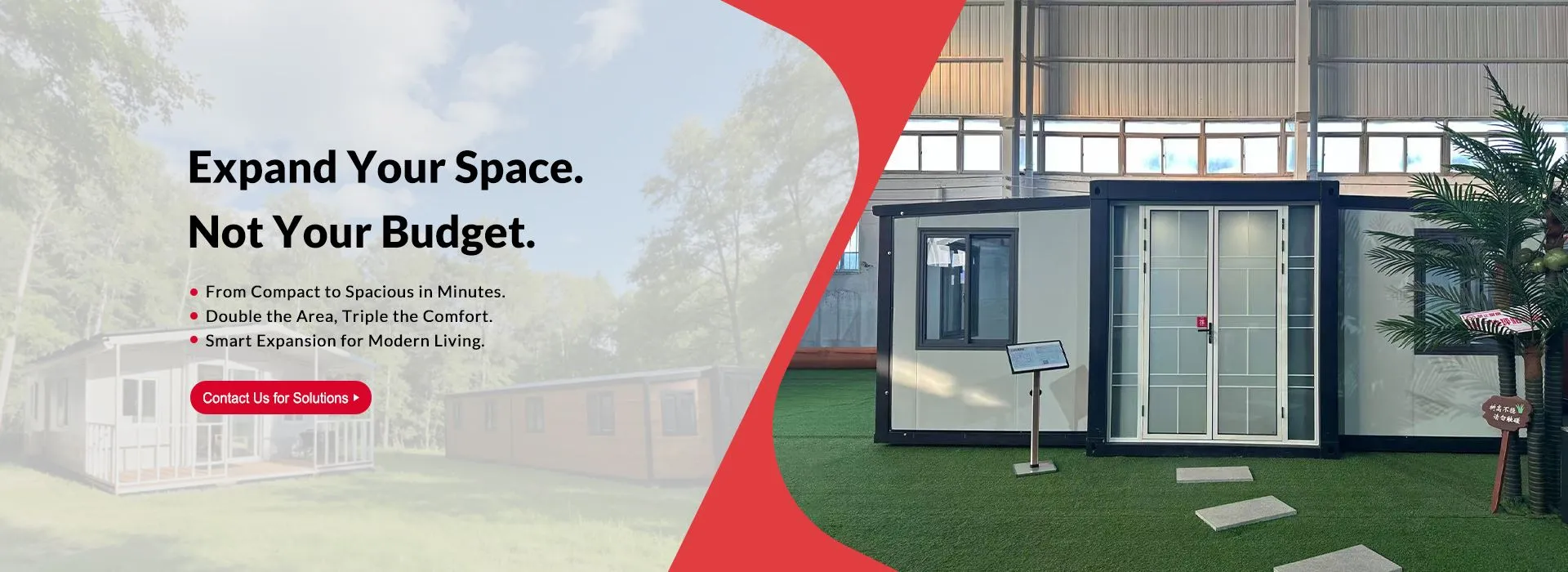
Shipping container houses have become a widely accepted building solution across residential, commercial, and industrial uses-thanks to their modularity, durability, and cost advantages. But with so many styles, configurations, and suppliers, how do you choose a suitable container house to buy?https://www.zdhouses.com/container-house/container-house-willas.html
1. Define Your Purpose and Space Requirements
Different uses demand different container house features.
Ask yourself:
What's the primary use? (home, office, retail, dormitory, bathroom, clinic, storage)
How many people will use it?
Is it temporary or permanent?
What climate conditions will it face? (hot, cold, humid, windy)
Your answers determine:
Size and layout
Insulation requirements
Interior finishes
HVAC and utility systems
A small vacation cabin has different standards than a full-time residence or commercial shop.
2. Choose the Right Type of Container House
A container house buyer should understand the main types:
Standard Shipping Container House
Uses a 20ft or 40ft container
Economical and simple
Requires modification for openings, insulation, and utilities
Good for basic housing, storage, or offices.
Flat Pack Container House
Breaks down for transport
Quick on-site assembly
Ideal for remote areas and complex logistics.
Expandable / Folding Container House
Compact in transport
Opens to larger living space
Great for space-efficient residential or commercial use.
Modular Multi-Container House
Several units combined
Flexible layouts
Suitable for large residences, hotels, camps, or commercial zones.
Choosing the right type helps optimize functionality, cost, and logistics.
3. Evaluate Structure and Material Quality
Not all container houses are built the same. The core structure is the steel container, so material quality matters.
Key structural factors:
Steel thickness and grade
Anti-corrosion coating
Reinforcement around openings
Welding quality
A high-quality container house should resist:
Salt corrosion
Heavy winds
Long-term outdoor exposure
If a supplier cannot provide clear material specs, reconsider.
4. Insulation and Climate Adaptability
Steel conducts heat rapidly-without proper insulation, a container house can be uncomfortable.
Insulation materials to consider:
PU / PIR sandwich panels (excellent all-around)
Rock wool (fire-resistant)
Spray foam (air-tight)
Consider:
How thick is the insulation?
Is there a vapor barrier?
How is the roof insulated?
Matching insulation to your climate is one of the most important decisions.
5. Built-In Systems and Finishing Levels
A container house can be sold as:
Bare shell
Partial finish
Fully finished (plug-and-play)
Before buying, confirm what's included:
✔ Electrical wiring and fixtures
✔ Plumbing and bathroom equipment
✔ HVAC (air conditioning/heating)
✔ Doors, windows, flooring
✔ Kitchen fittings (if required)
Compare apples-to-apples: a cheap price may exclude all systems you need.
6. Supplier Credibility and Warranty
Choosing a trustworthy supplier reduces risk.
Vet your supplier by checking:
Company history and capacity
Factory photos / production line
Finished project case studies
Quality certification (ISO, CE, etc.)
Warranty terms
Good suppliers offer:
✔ Quality assurance
✔ After-sales support
✔ Installation guidance
✔ Spare parts availability
Avoid suppliers who refuse contracts or provide vague warranty terms.
7. Logistics, Packaging, and On-Site Support
Shipping container houses require careful logistics planning.
Things to verify:
Packing method (flat pack, containerized, pre-assembled)
Shipping dimensions and weight
Crane or forklift requirements
Installation services offered
Foundation recommendations
Some suppliers even provide on-site installation teams or virtual guidance.
8. Budget vs True Value
Price is important-but it's not the only factor.
Ask yourself:
What does the price include?
Is insulation adequate for your climate?
Are utilities and finishes included?
What are the long-term maintenance costs?
Sometimes a higher upfront price means better comfort, lower running costs, and fewer headaches later.
Conclusion: Choose with Confidence
Choosing a suitable container house to buy is about matching function, quality, climate, and budget. By clearly defining your purpose, understanding different container types, evaluating materials and insulation, verifying supplier credibility, and understanding what's included, you can avoid surprises and get a container house that lasts for years.
A well-chosen container house is a smart, efficient, and flexible solution for modern housing and project needs.

Contact us today to explore designs, get accurate specifications, and find a container house solution tailored to your project.