

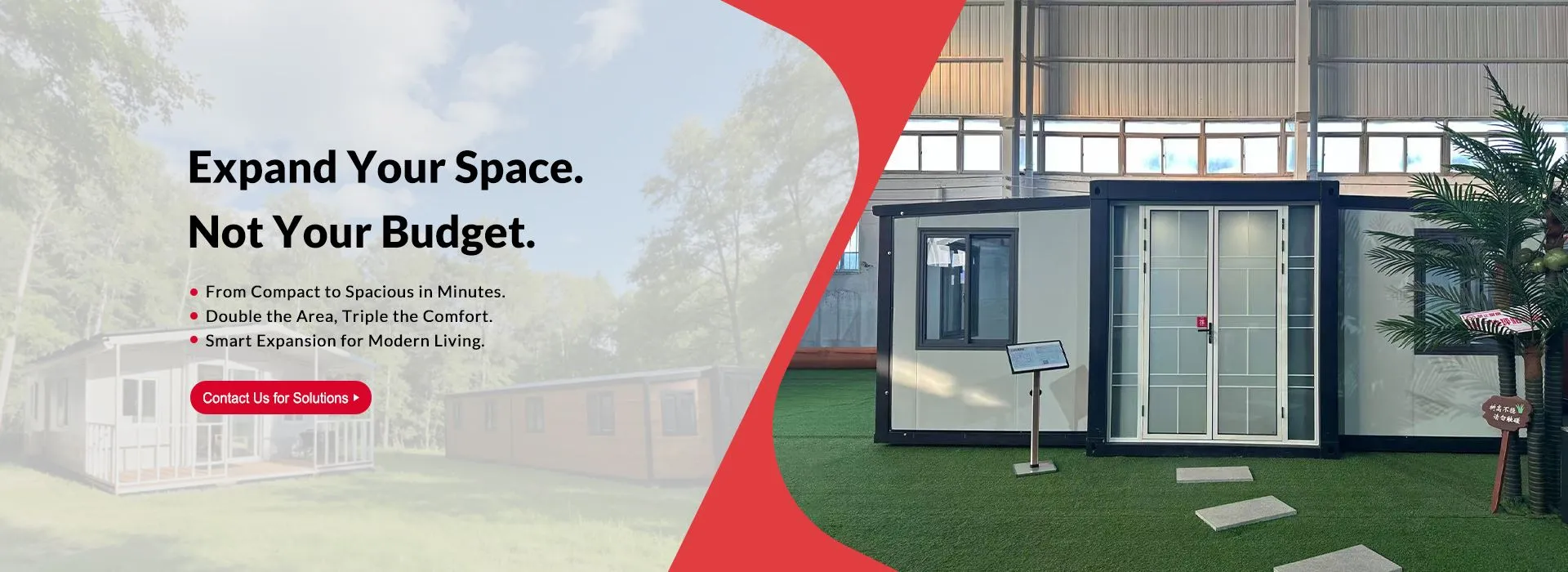
A common question many buyers ask is: Do container houses get too hot in summer?
The truth is, a well-designed container house can stay cool and comfortable even in hot climates-but only if the right strategies are used.
In this guide, we'll explain how to keep container houses cool in summer, focusing on practical, proven solutions that improve comfort and reduce energy costs.https://www.zdhouses.com/container-house/container-house-willas.html
1. Choose the Right Insulation (This Is the Most Important Step)
Steel absorbs heat quickly, so insulation is critical for summer performance.
Best insulation options for container houses:
PU / PIR sandwich panels – excellent thermal resistance
Rock wool insulation – fire-resistant and heat-insulating
Spray foam insulation – creates an airtight thermal barrier
Insulation should be applied to:
Walls
Roof (most important)
Floor
Why it matters: Proper insulation slows heat transfer and keeps indoor temperatures stable throughout the day.
2. Use Reflective or Light-Colored Exterior Finishes
Dark colors absorb heat. Light and reflective surfaces help reduce solar gain.
Effective exterior solutions:
White or light-colored paint
Heat-reflective roof coatings
Aluminum or insulated exterior cladding
A reflective roof alone can reduce indoor temperatures by several degrees in summer.
3. Improve Roof Design and Heat Protection
The roof receives the most direct sunlight.
Cooling strategies for container house roofs:
Add extra roof insulation
Install a secondary "shade roof" or canopy
Use ventilated roof gaps
Apply waterproof + heat-reflective coatings
These methods significantly reduce heat buildup inside the container.
4. Design Proper Ventilation and Airflow
Good airflow removes hot air and reduces humidity.
Recommended ventilation features:
Cross ventilation (windows on opposite sides)
Roof vents or ridge vents
Exhaust fans in kitchens and bathrooms
Louvers or wall vents
In hot climates, natural ventilation can dramatically improve comfort without extra energy use.
5. Install Energy-Efficient Cooling Systems
Mechanical cooling is often necessary in summer, especially in tropical or desert regions.
Common cooling options:
Split air conditioners
Inverter AC units (energy-saving)
Ceiling fans to circulate cool air
Because container houses are compact, they usually require less cooling power than traditional buildings, helping reduce electricity costs.
6. Optimize Window and Door Placement
Poorly placed windows can increase heat gain.
Smart design tips:
Use double-glazed or low-E glass
Avoid large west-facing windows
Add sunshades, awnings, or shutters
Ensure doors and windows are well sealed
Shading windows is one of the simplest ways to lower indoor temperatures.
7. Add External Shading and Landscaping
External shading reduces direct heat before it reaches the container.
Effective shading solutions:
Pergolas or sun canopies
Covered walkways
Trees or vertical green walls
These features also improve comfort around the container house, not just inside it.
8. Reduce Internal Heat Sources
Appliances and lighting generate heat.
Simple improvements:
Use LED lighting instead of traditional bulbs
Choose energy-efficient appliances
Avoid unnecessary equipment running during peak heat hours
Small changes can make a noticeable difference in indoor temperature.
9. Elevate the Container House Above the Ground
Raising the container slightly improves airflow underneath.
Benefits:
Reduces heat transfer from the ground
Improves ventilation
Helps moisture control
This is especially useful in hot and humid regions.
10. Plan for Climate-Specific Design from the Start
A container house designed for hot climates performs far better than one modified later.
Professional manufacturers consider:
Local temperature ranges
Sun direction
Wind patterns
Humidity levels
Climate-adapted design ensures long-term comfort and efficiency.
Conclusion
Keeping a container house cool in summer is not only possible-it's practical and cost-effective with the right design. By combining proper insulation, ventilation, reflective materials, shading, and efficient cooling systems, container houses can offer excellent summer comfort even in extreme heat.
A well-designed container house can be cooler, more energy-efficient, and easier to manage than many traditional buildings.

