

Container homes have become one of the most innovative solutions in sustainable housing. As global demand grows for eco-friendly, affordable, and efficient living spaces, repurposed shipping containers offer an excellent alternative to traditional construction. Built from durable steel and designed for modular flexibility, container homes can significantly reduce environmental impact while providing modern, comfortable living.https://www.zdhouses.com/container-house/container-house-cyprus.html

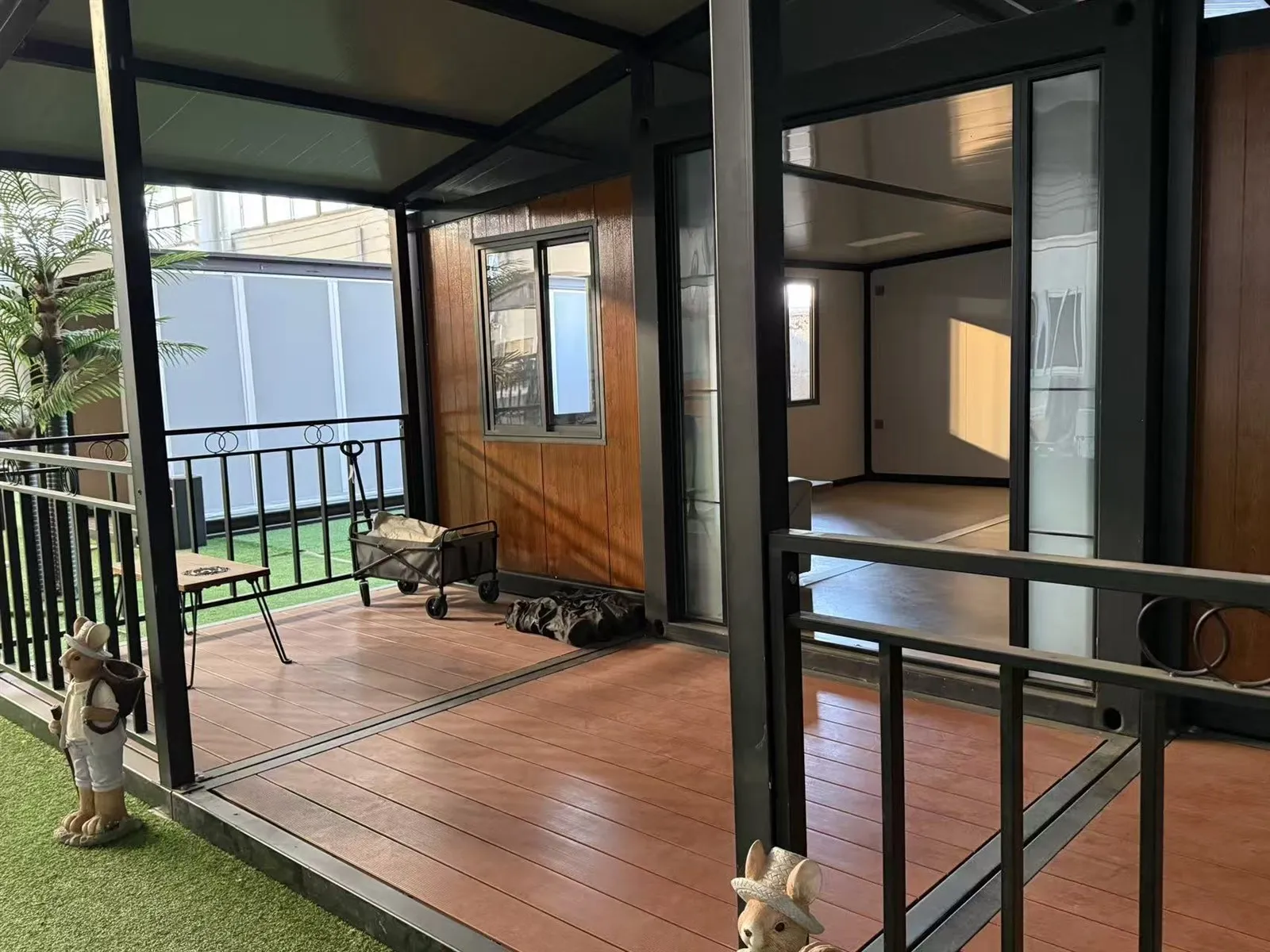

Recycling & Reusing Existing Materials
One of the biggest environmental advantages of container homes is material reuse.
Why it's sustainable:
Millions of shipping containers sit unused around the world.
Repurposing them reduces the need for new building materials such as wood, bricks, and cement.
Less construction waste is produced.
Result:
Building with reclaimed containers cuts carbon footprint and reduces overall resource consumption.
Reduced Construction Waste
Traditional construction generates large volumes of debris-wood scraps, packaging waste, concrete residue, etc.
Container homes, on the other hand, are:
Prefabricated
Precisely engineered
Manufactured using standardized components
This leads to:
Minimal site waste
Easier recycling of leftover steel
Cleaner job sites and reduced landfill use
Energy Efficiency & Insulation Options
Modern container homes incorporate high-quality insulation and energy-efficient windows to improve thermal performance.
Sustainable features include:
PU or rock wool insulation
Double-glazed windows
Energy-efficient doors & sealing
Optional solar panels
HVAC heat pumps
LED lighting throughout
Environmental impact:
Lower energy demand for heating and cooling, reducing long-term carbon emissions.
Off-Site Prefabrication Reduces Environmental Disturbance
Most container houses are built or modified in factories.
Benefits of factory prefabrication:
Reduced noise and dust pollution at construction sites
Less disruption to local ecosystems
Lower fuel consumption from shorter on-site work
Faster assembly means fewer emissions from machinery
Factory control also ensures material optimization and consistent quality.
Smaller Footprint & Efficient Land Use
Container homes are compact and modular, making them ideal for efficient land usage.
They support:
Vertical stacking
Narrow or irregular lots
Minimal foundation requirements
Outcome:
Reduced soil disruption, less concrete use, and better site preservation.
Long Lifespan & Durability
Shipping containers are designed for harsh marine environments.
Their durability makes them sustainable because:
They require fewer repairs
They resist corrosion with proper treatment
They can last 25–50+ years with maintenance
They withstand extreme weather
A long-lasting home reduces the need for rebuilds-and reduces waste.
Potential for Off-Grid Living
Container homes can easily integrate off-grid systems, making them an eco-conscious choice for remote or sustainable living.
Possible additions:
Solar power systems
Rainwater harvesting
Composting toilets
Battery storage systems
Greywater recycling
Why this matters:
Off-grid systems dramatically cut utility usage and create self-sufficient, low-impact homes.
