

Winter places unique demands on housing. Cold temperatures, rising energy costs, construction delays, and emergency accommodation needs all make traditional housing solutions slower and more expensive. This is why more individuals, businesses, and governments are turning to container houses as a smart winter-ready housing solution.https://www.zdhouses.com/container-house/container-house-willas.html
1. Container Houses Can Be Fully Winter-Insulated
Modern container houses are engineered for cold climates.
Winter-ready insulation systems include:
Rock wool, PU, or EPS insulation panels
Insulated roofs and floors
Double-glazed doors and windows
Thermal break designs to reduce heat loss
With proper insulation, a container house maintains indoor warmth efficiently, even in harsh winter conditions.
2. Faster Than Traditional Construction-Even in Winter
Winter construction is often delayed by weather, frozen ground, and labor shortages.
Container houses are different:
Manufactured in factories, unaffected by weather
Delivered almost fully finished
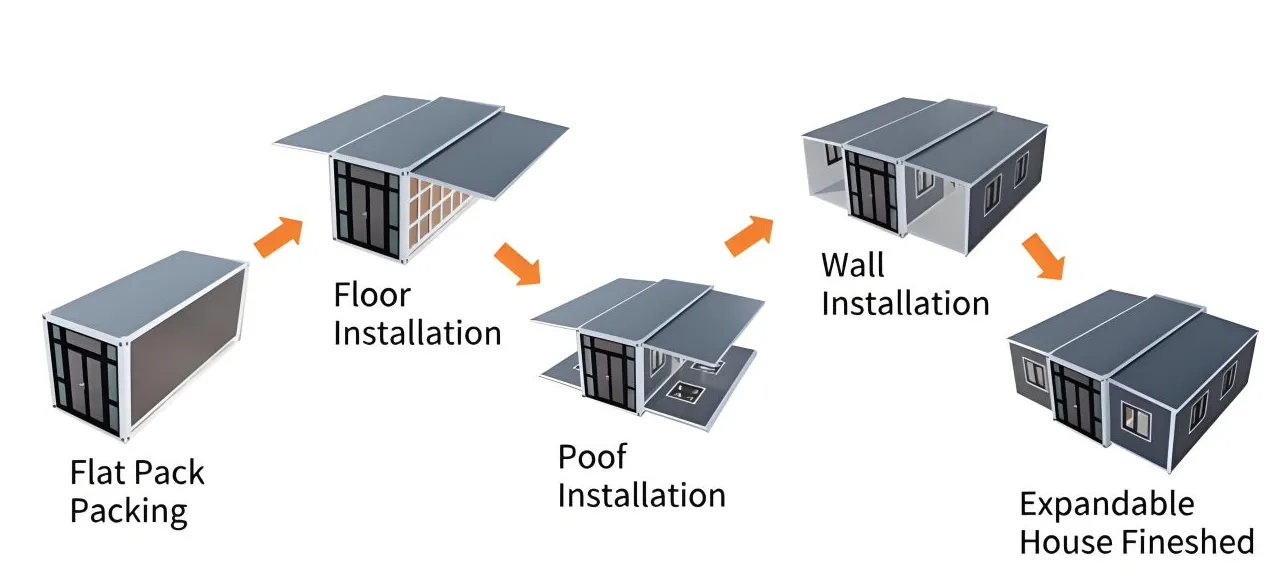
Installed in days instead of months
When winter arrives, speed matters-and container houses deliver.
3. Lower Heating and Energy Costs
Thanks to compact layouts and modern insulation, container houses require:
Less energy to heat
Smaller HVAC systems
Lower ongoing utility bills
For winter living, this efficiency translates into real cost savings compared to larger, traditional homes.
4. Ideal for Emergency and Seasonal Housing
Container houses are widely used in winter for:
Emergency shelters
Disaster relief housing
Workforce accommodation
Temporary residential solutions
Their quick deployment ensures safe, warm shelter when permanent housing is not available.
5. Strong, Weather-Resistant Structure
Built with steel frames or shipping containers, container houses offer:
High resistance to snow, wind, and storms
Structural stability in extreme weather
Long service life with minimal maintenance
Unlike temporary tents or light structures, container houses provide reliable winter protection.
6. Minimal Foundation Requirements in Cold Conditions
Frozen ground can complicate foundations.
Container houses typically require:
Simple concrete pads or pier foundations
Minimal ground disturbance
Faster site preparation in winter
This makes them practical even when soil conditions are challenging.
7. Comfortable Living in a Compact Space
Winter is about staying warm and comfortable.
Container houses offer:
Efficient space layouts
Reduced heat loss due to compact design
Easy temperature control
Small doesn't mean uncomfortable-container homes are designed for practical winter living.
8. Flexible for Temporary or Long-Term Use
A container house can serve as:
A permanent winter residence
Seasonal housing
A temporary solution upgraded later
Units can also be relocated or expanded when winter ends, adding long-term value beyond one season.
9. Cost-Effective Winter Housing Solution
Compared to traditional housing, container houses offer:
Lower upfront investment
Predictable pricing
Reduced winter construction risk
This makes them attractive for individuals, developers, and institutions facing winter housing needs.
10. Ready for Customization Based on Climate
Container houses can be customized with:
Thicker insulation for extreme cold regions
Underfloor heating systems
Enhanced ventilation to prevent condensation
Solar or auxiliary heating options
This adaptability ensures year-round comfort, not just winter survival.
